
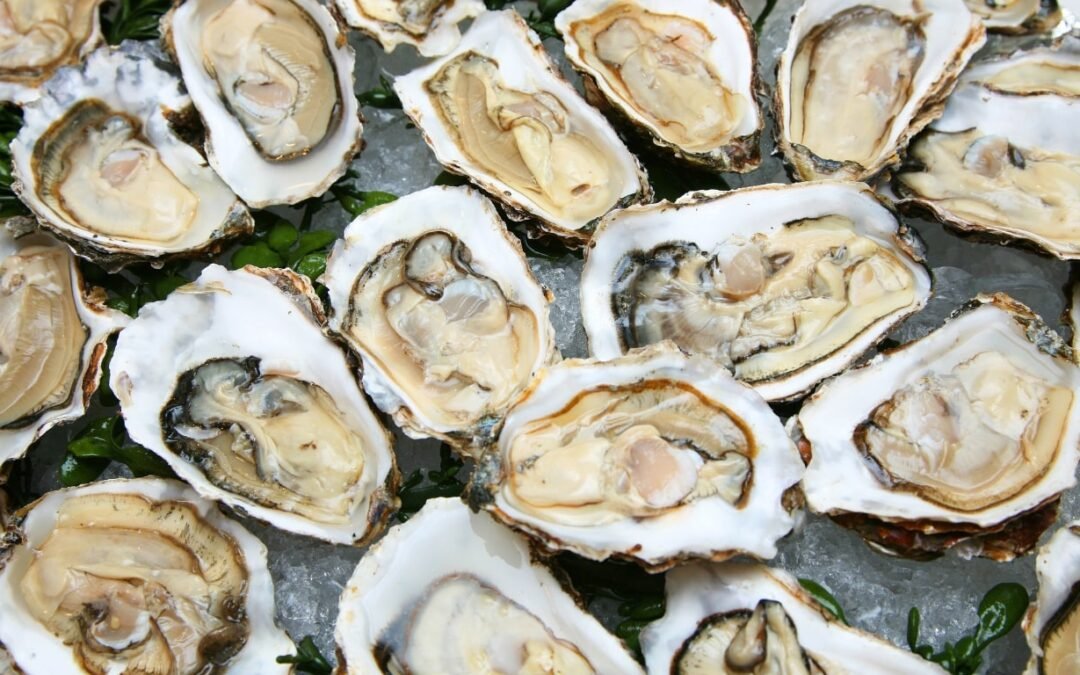
No, pearls are not exclusive to oysters; several other mollusks, including mussels, clams, and even some types of snails, can also produce pearls. Oysters are the most well-known pearl producers, but the ability to form pearls exists in a variety of bivalve and gastropod mollusks. Here’s a deeper look at other creatures that can create pearls:
1. Oysters (Saltwater Pearls)
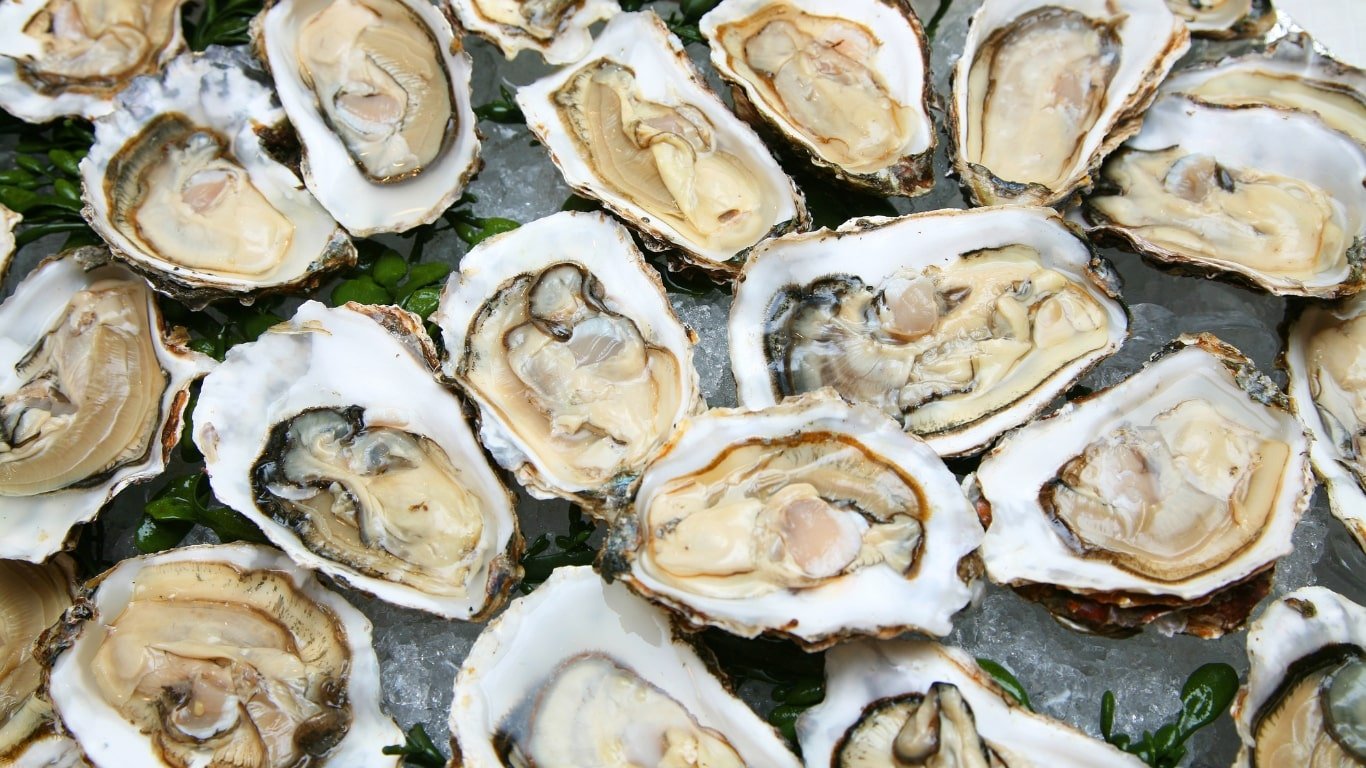
Oysters are the most famous pearl producers, especially species from the Pinctada genus. They are found in saltwater environments like oceans and produce some of the most sought-after pearls, including:
- Akoya Pearls: Typically found in Japanese and Chinese waters, known for their round shape and high luster.
- South Sea Pearls: From Australia, Indonesia, and the Philippines, these pearls are larger and come in shades of white, silver, and gold.
- Tahitian Pearls: Found in the French Polynesian waters, these pearls are known for their black or dark colors.
Do oysters always make pearls?
Not all oysters produce pearls. While some species of oysters, particularly those in the family Pteriidae, can create pearls, the process is rare in nature. Pearls form when an irritant, such as a parasite or debris, becomes trapped inside the oyster’s shell, prompting the oyster to secrete layers of nacre around it. However, only a small percentage of wild oysters produce pearls, and even fewer yield pearls of significant quality or size. Pearl farming, or “culturing,” induces this process by intentionally inserting an irritant, leading to more consistent pearl production in specific oyster species.
2. Mussels (Freshwater Pearls)
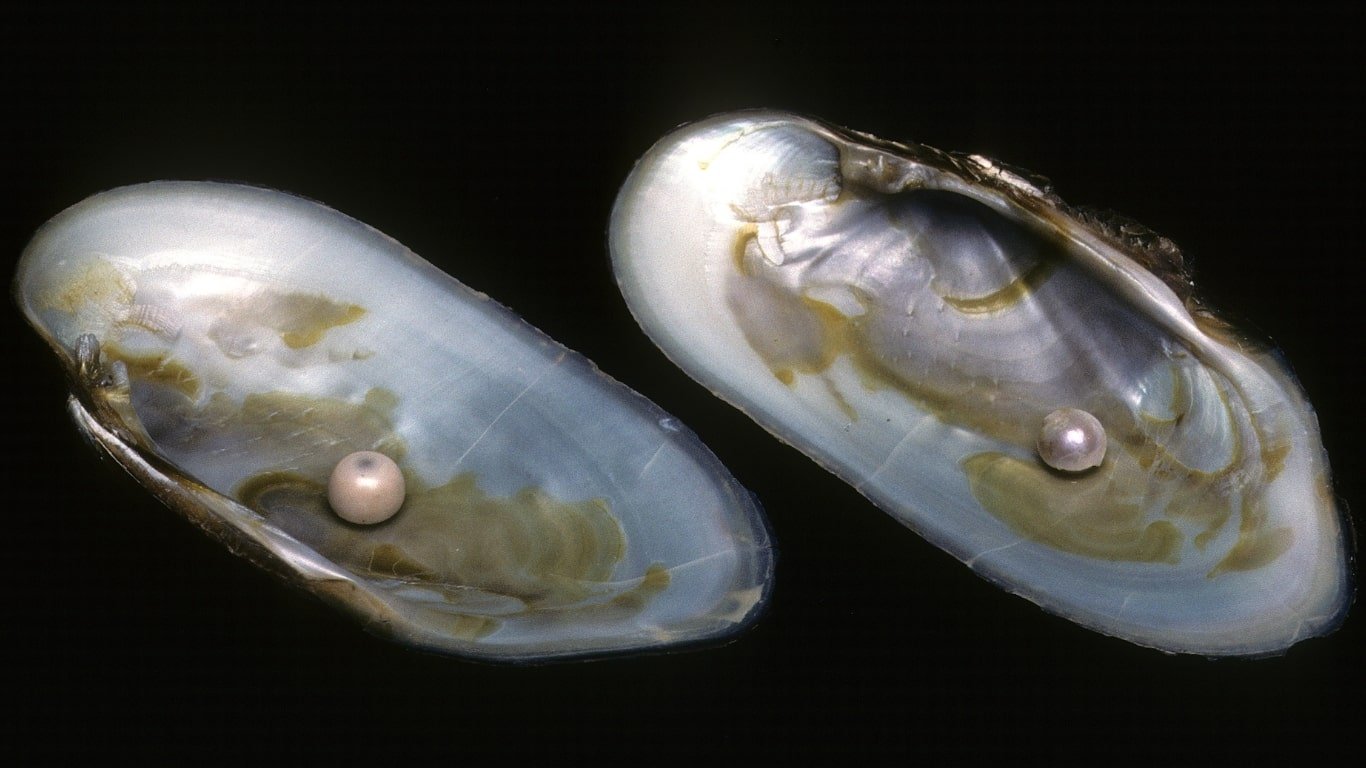
Freshwater pearls are formed inside freshwater mussels that live in rivers, lakes, and ponds. These mussels produce pearls in greater quantities than oysters, and each mussel can create multiple pearls at once. Freshwater pearls are known for their wide variety of shapes, colors, and sizes. The most common types of freshwater pearl-producing mussels belong to the family Unionidae.
- Hyriopsis cumingii and Cristaria plicata are two species of mussels commonly used for cultured freshwater pearls, particularly in China, which is a leading producer of freshwater pearls today.
3. Clams
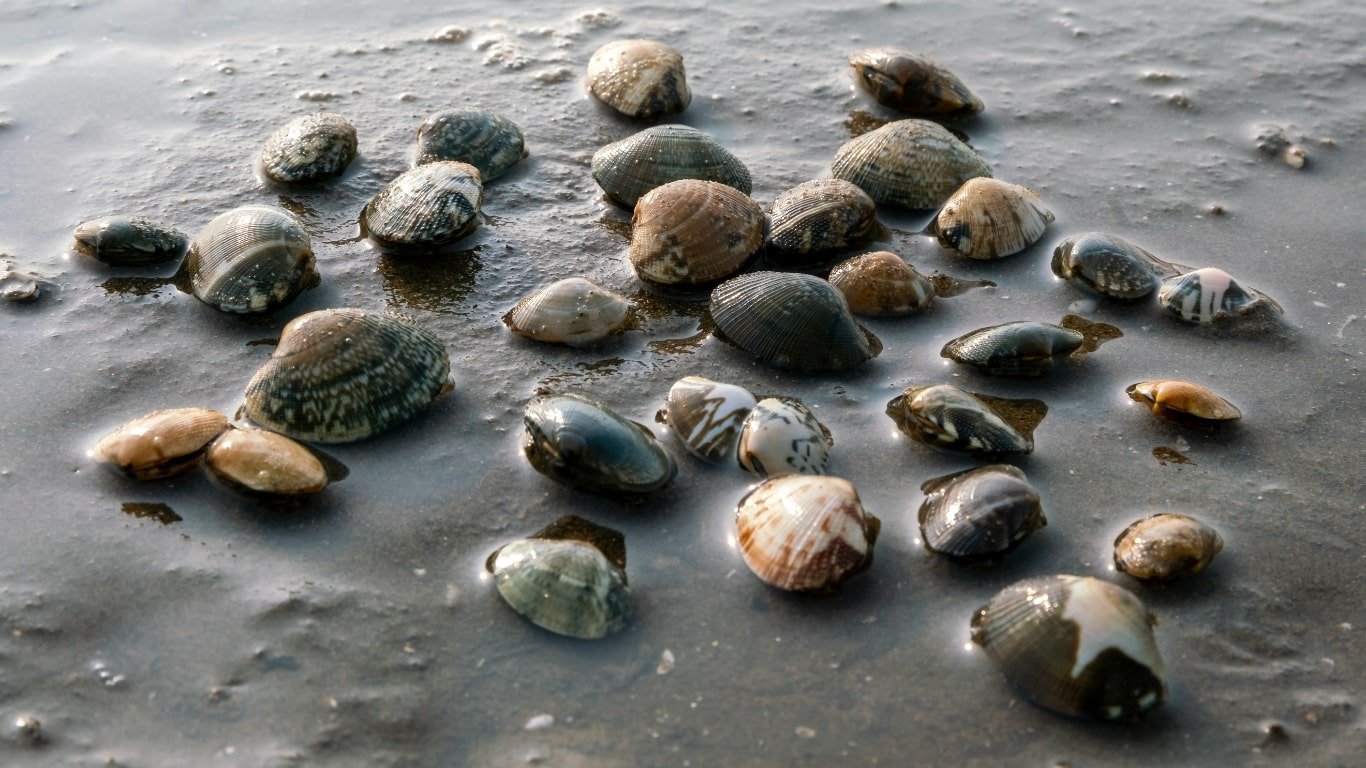
Clams are capable of forming pearls as well, although it’s much rarer than in oysters and mussels. While they produce fewer pearls and often of lesser quality, some species of clams, such as the giant clam (Tridacna gigas), can create pearls. These pearls, while not as lustrous or round as those from oysters, are still prized by collectors for their uniqueness and rarity.
4. Conchs (Conch Pearls)
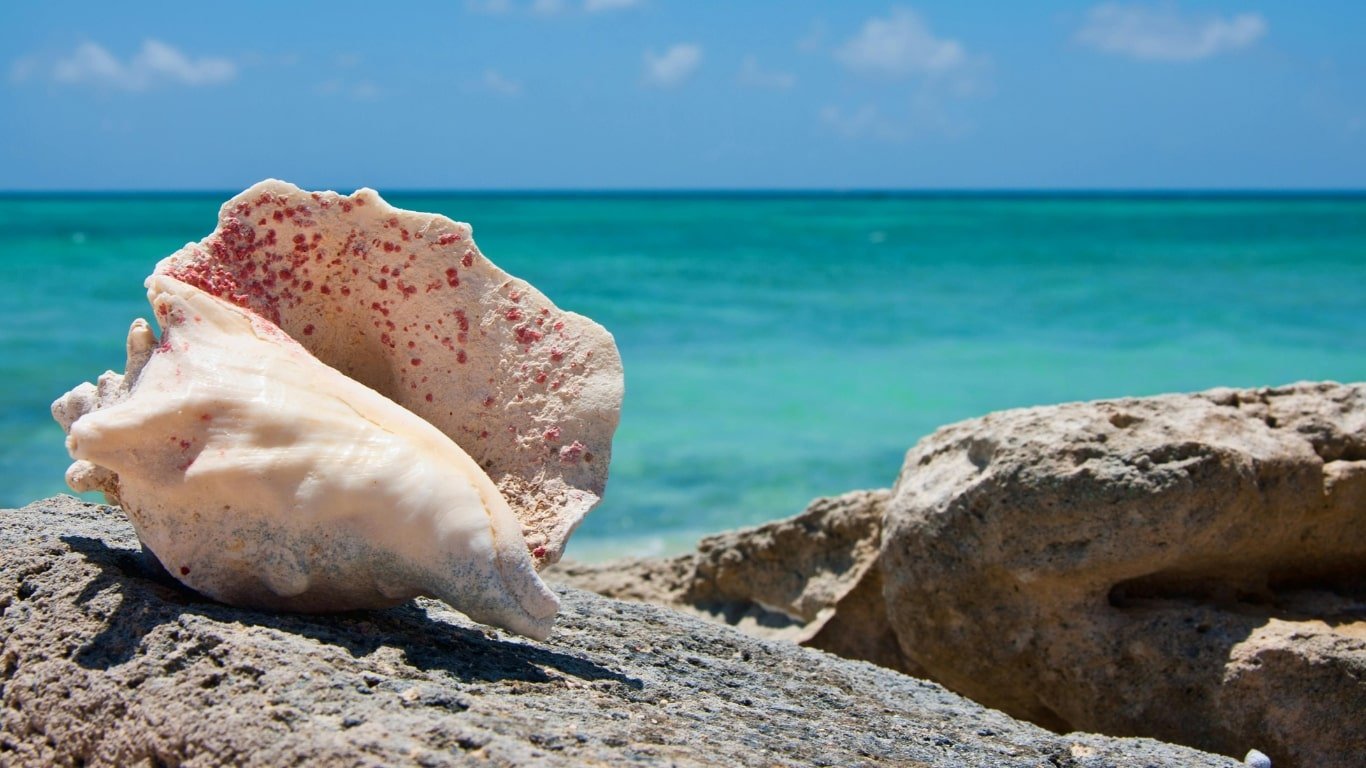
The queen conch (Strombus gigas), a large marine gastropod found in the Caribbean, produces a rare and unique type of pearl known as conch pearls. Unlike traditional pearls made of nacre, conch pearls have a fibrous crystalline structure that gives them a porcelain-like finish and a distinctive flame-like pattern. They are usually pink, peach, or even orange in color. Though extremely rare, conch pearls are highly valued.
5. Abalone (Abalone Pearls)
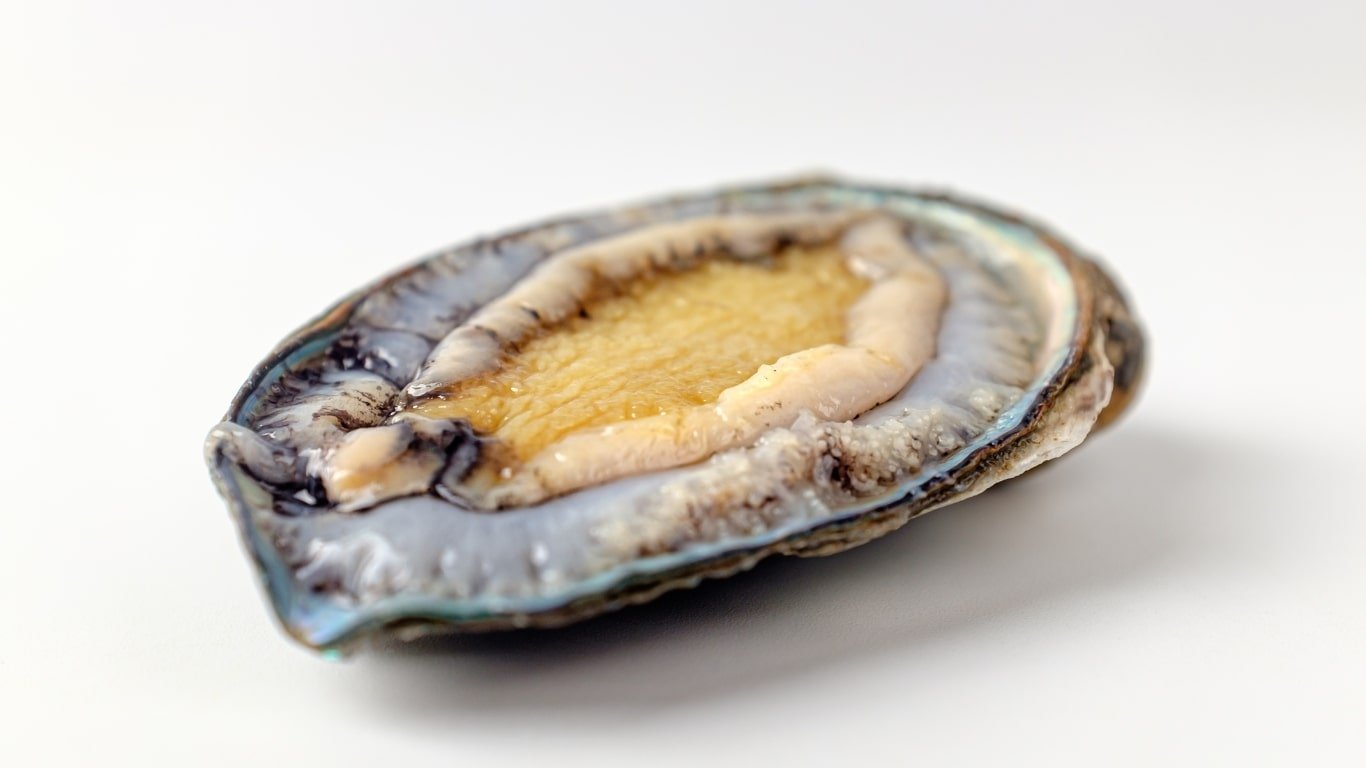
The abalone, a type of marine gastropod with an ear-shaped shell, produces abalone pearls. These pearls are non-nacreous, meaning they do not have the traditional layers of nacre that give oysters and mussels their characteristic luster. However, abalone pearls are prized for their iridescence and rainbow-like colors. Due to the anatomy of the abalone, their pearls tend to be irregularly shaped rather than round.
6. Scallops
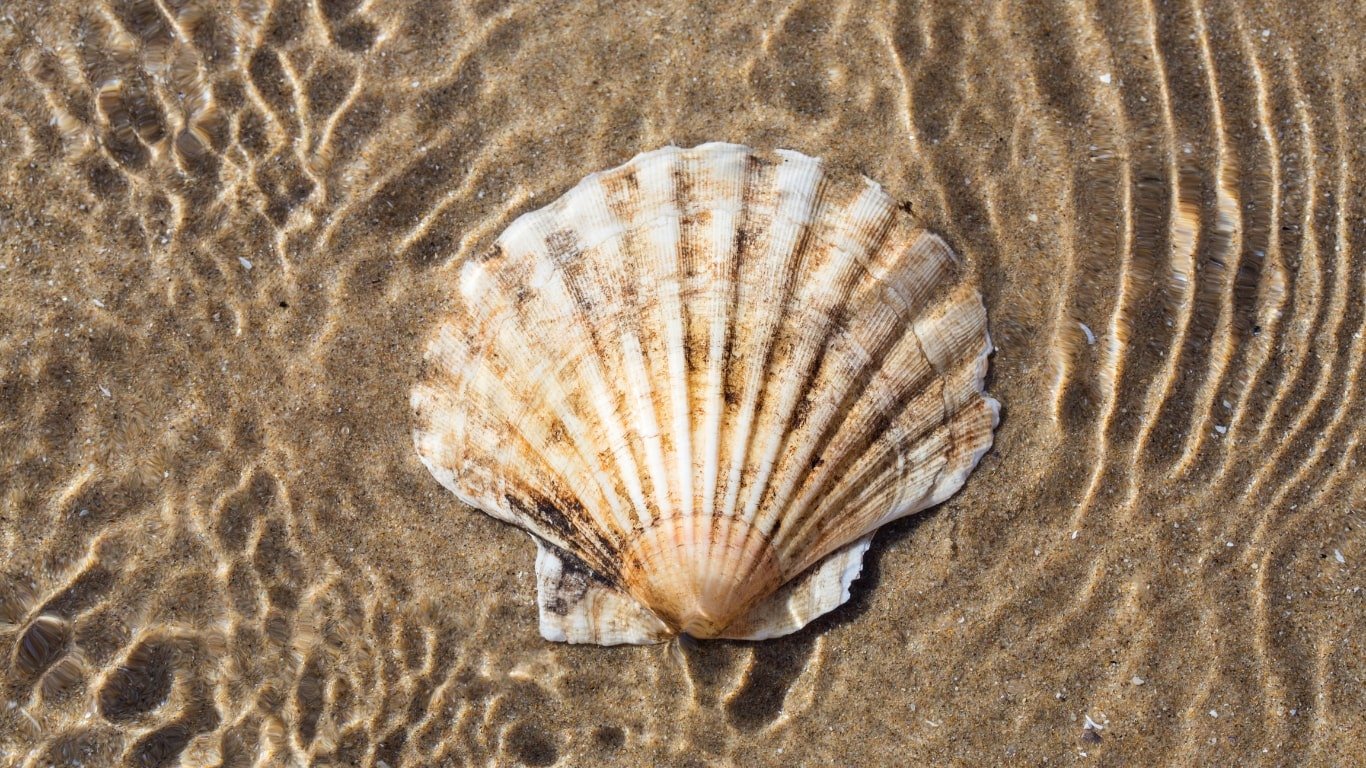
Scallops, another type of bivalve mollusk, can also produce pearls, though this is extremely rare. Scallop pearls are typically small and irregular in shape, and like abalone, they are non-nacreous. These pearls are often orange or brown in color, and while they aren’t as popular in jewelry, they are still collected for their uniqueness.
7. Snails
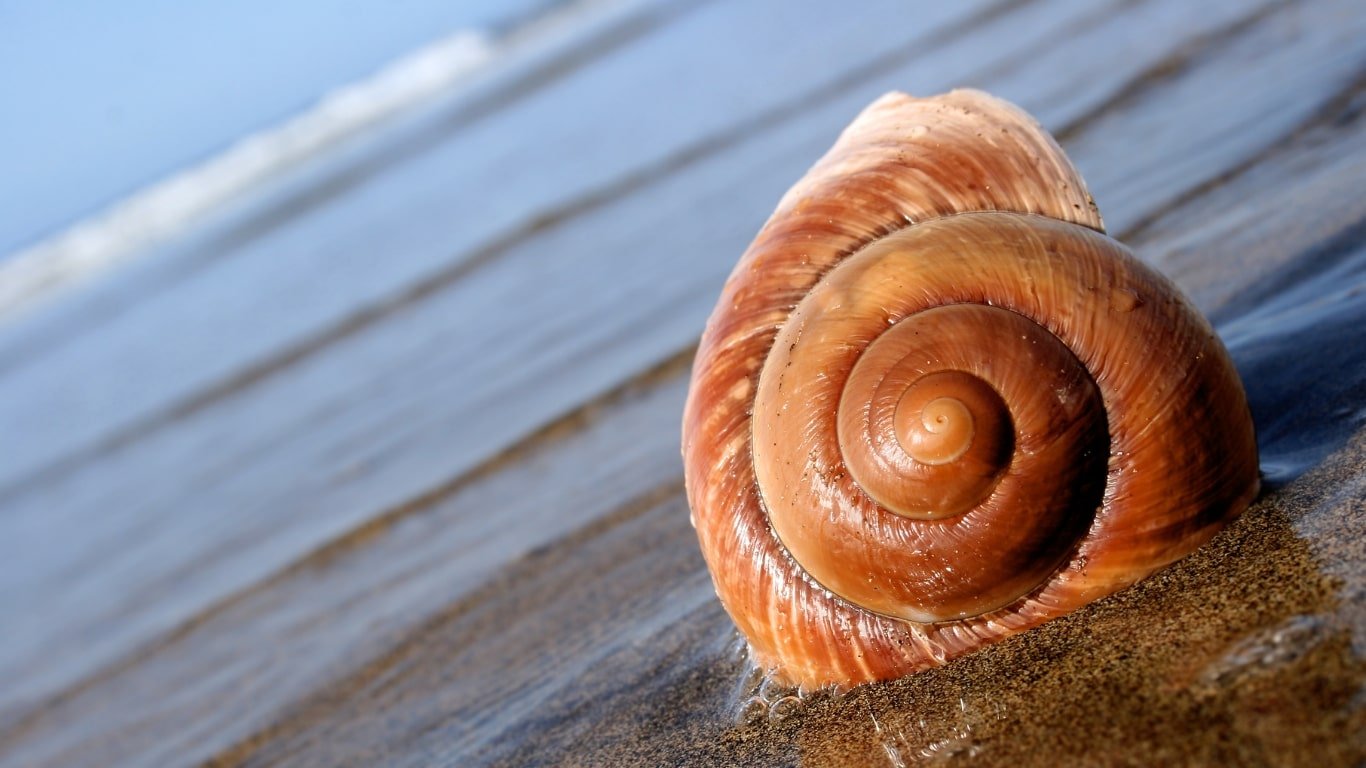
Some species of snails can form pearls, though these are much less common. For instance:
- Melo Melo, a large marine snail found in Southeast Asia, produces Melo pearls, which are large, smooth, and usually orange or brown. Like conch pearls, they are non-nacreous but highly prized for their unique appearance.
Differences Between Pearl-Forming Mollusks
- Nacreous vs. Non-Nacreous Pearls: Most oysters and mussels produce nacreous pearls, meaning the pearls are made up of layers of nacre (mother-of-pearl) that give them their characteristic luster and iridescence. Mollusks like abalone, conch, and Melo snails produce non-nacreous pearls, which lack the traditional luster but are admired for their smooth, glossy appearance and vibrant colors.
- Environment: Saltwater pearls are usually produced by oysters in marine environments, while freshwater pearls come from mussels living in rivers and lakes. Other mollusks, like abalone and conch, also reside in marine environments but produce distinct types of pearls.
Buying Freshwater Pearl Jewellery in Singapore
While oysters are often associated with pearls, did you know that freshwater pearls are primarily produced by mussels? These gems, just as lustrous and beautiful as their saltwater counterparts, are a perfect option for those seeking high-quality, affordable pearl jewelry. In Singapore, our shop offers a carefully curated collection of freshwater pearl necklaces and bracelets, each piece showcasing the elegance and variety of these unique pearls. Whether you’re drawn to classic white or the distinctive purple and peach tones, our customizable jewelry will enhance any occasion. Head over to our shop page to explore stunning options that bring the beauty of freshwater pearls into your life.
Conclusion
While oysters are the most famous pearl producers, other mollusks like mussels, clams, conchs, and even snails can also create pearls. The diversity in species results in pearls with different shapes, colors, and textures, making the world of pearls rich and varied. The rarity of natural pearls from these different mollusks, especially non-nacreous pearls like those from the conch and Melo, further adds to their mystique and desirability.